
Product Review - 1000 Mile Socks
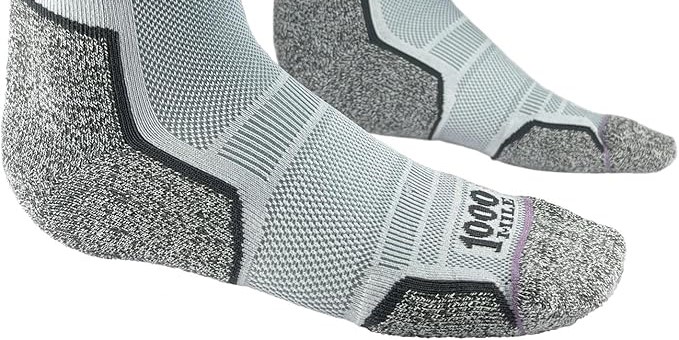
Quick Verdict
- Best for: Long-distance running, trail and ultras
- Standout: Zero blisters over 10 years
- Biggest Strength: Durability and long-term reliability
Overall: A proven, no-nonsense sock that just works — especially for long runs
Pros
- A proven, no-nonsense sock that just works — especially for long runs
- Extremely durable — no holes even after heavy use
- Comfortable cushioning without slipping in the shoe
- Reliable in all conditions, including wet and long-distance runs
Cons
- Can sit slightly low over time (potential ankle/Achilles rub)
- Slightly thicker feel than minimal socks
- May require more room in shoes
- Less suited to runners who prefer a lightweight / minimal feel
- First Impressions & Use Case
These were the first running socks I ever tried — and the name alone caught my attention. If something’s called “1000 Mile,” it sets a certain expectation.
That was over 10 years ago, and I haven’t really felt the need to change since.
They’ve been my default for everything from regular training runs to long days out in the mountains, where comfort and reliability matter most.
- Performance on the Trail
The standout feature is simple:
👉 I haven’t had a single blister using these in over a decade
That’s across:
- Long runs
- Wet conditions
- Back-to-back days
They have a soft, cushioned feel underfoot, but crucially don’t feel slippery inside the shoe. That balance is important — you get comfort without losing stability.
Even when wet, they don’t rub or create hotspots, which is where many socks start to fail.
One of the biggest tests came on a multi-day effort where I wore the same pair for over 36 hours straight — including running through mountainous terrain. They held up perfectly, with no discomfort on day two.
👉 That says a lot about long-term comfort and reliability.
- What Works Well
- Blister prevention: Exceptional — zero issues over 10 years
- Durability: No holes in heels or toes, even after heavy use
- Fit retention: Don’t go saggy after repeated washing
- Comfort: Soft underfoot without feeling unstable
- Wet performance: No rubbing or irritation
👉 These are built for consistency rather than gimmicks — and it shows
- What Could Be Better
There are a couple of minor things to be aware of:
- The socks can sit slightly lower over time, occasionally dropping below the shoe line
- This could potentially lead to rubbing around:
- Ankles
- Achilles
- Shoe tongue
I haven’t personally had issues with this, but it’s something I can see happening depending on shoe fit.
They also have a slightly more substantial feel, which means:
👉 You may need a bit more room in your shoes
That’s not necessarily a downside — it’s quite normal for longer runs where your feet expand — but it’s worth noting.
- How They Compare
These are my long-term baseline.
Compared to newer or more specialised socks (which I’ll be testing next), 1000 Mile focuses on:
- Reliability over innovation
- Comfort over minimalism
- Durability over lightweight feel
👉 The question for other socks isn’t “are they good?”
👉 It’s:
“Are they better than something that’s already worked flawlessly for 10 years?”
- Who This Is For
Ideal for:
- Long-distance runners
- Trail and ultra runners
- Anyone prioritising comfort and blister prevention
Less suited for:
- Runners who prefer very thin/minimal socks
- Those wanting a very low-profile fit
- Verdict: Would I Use Them Again?
Yes — and I have been for the last 10 years.
These are one of those rare pieces of kit that just quietly do their job, run after run, without ever giving you a reason to question them.
Unless something genuinely outperforms them in testing, I’ll be sticking with my trusty 1000 Mile socks.